Anti Raid Sky Settlement in Rust
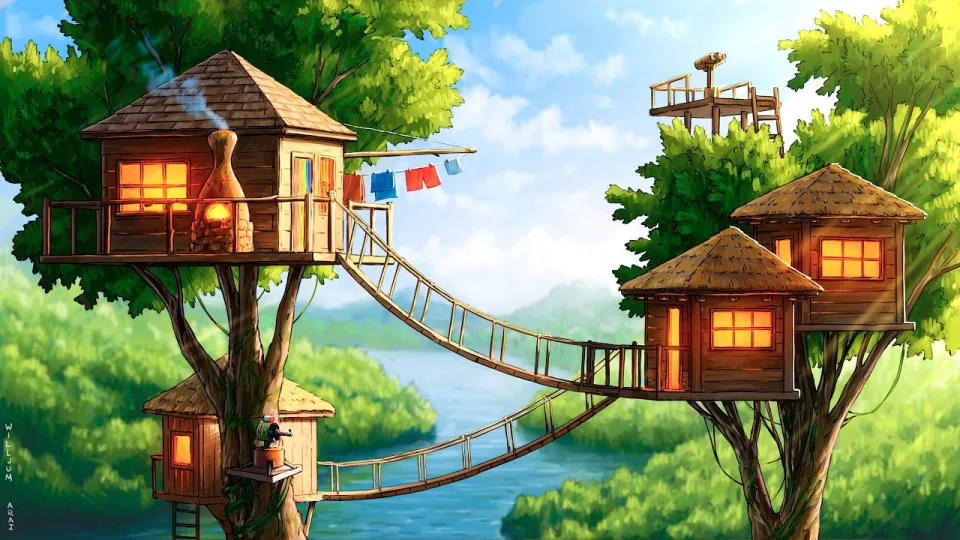
Video: I Built an anti raid sky settlement in Rust...
Need articles like this for your video? They help promote it on YouTube and Google — order them in the Telegram bot @sat_sit_bot. Articles with your video embedded are written and posted by the bot itself — on popular topical sites (no ads). Your first 50 articles are free.
· based on the channel Willjum
A sky settlement in Rust is a base built upward rather than outward: the loot core sits on tall pillars or a raised platform, so raiders cannot simply walk to a wall and blow through. Instead of stacking honeycomb around a ground-level core, you force attackers to bring ladders, build climbing routes or waste explosives on cheap external structures before they reach anything worth taking. The approach trades daily upkeep and building effort for time — the single resource that decides most raids. Willjum's anti-raid sky settlement video is the reference point here, and you can support more builds like it through his Patreon page.
Why height beats honeycomb against most raid squads
Raid economics in Rust favour the defender who makes the attacker spend more than the loot is worth. A conventional base answers explosives with layers of honeycomb, which is expensive in stone and high in upkeep. A sky settlement answers them with geometry: the loot room is 6–10 walls up, on a platform that has no natural approach, and the ground floor holds nothing but a tool cupboard, some furnaces and decoy boxes.
That changes the attacker's checklist. They need ladders or a raid tower, they need to survive the climb while exposed, and they need enough explosives left over for the actual core. Many groups scout a base, estimate cost and move on — a raised core reads as expensive from the outside even when the internal walls are thin.
Building the core: pillars, platform and a single access point
The build order matters more than any single material choice. Work from the ground up and keep the loot room last.
- Place the tool cupboard and a small ground bunker first, so the whole structure stays authorised while you build.
- Raise 3–4 pillars of stone or metal, spaced so a raider cannot bridge them with a single ladder placement.
- Cap them with a platform wide enough for a 2x2 or 2x1 core plus a walkway — narrow platforms are cheap to upkeep but easy to splash.
- Put the loot room in the centre of the platform with at least one layer of walls on every side, and keep the outer ring as empty rooms or decoys.
- Connect ground to platform with a single ladder hatch or jump-up route you can seal, never with stairs a raider can climb.
- Upgrade the platform floor to metal or armoured first — raiders often try to break up through it rather than climb.
Upkeep, stability and the real cost of living in the sky
A sky settlement is not free. Every extra foundation, pillar segment and wall adds to the tool cupboard bill, and a tall structure with a wide platform can hit double the upkeep of a compact ground base of similar value. Before you commit, check the upkeep timer in the tool cupboard and confirm you can fund it for the whole wipe — an unmaintained sky base decays from the top down and the loot room is usually the first thing to go.
Stability is the second constraint. Pillars need to reach the ground or a valid foundation, and long unsupported platform spans will not place. Build the platform in small connected squares rather than one wide floor, and keep the outer edge one tier lower so a stray rocket does not open the whole core.
How raiders actually attack a raised base
Knowing the attack routes is how you decide where to spend metal. The common approaches, roughly in order of popularity:
- Raid tower: a cheap external tower built next to your pillars to reach platform height. Counter it by keeping the surrounding ground clear of build permissions you do not control and by putting your outer walls far enough out that a tower needs many foundations.
- Ladder rush: fast and quiet, usually at night or during a fight elsewhere on the map. A single sealed hatch and no climbable outer lip defeats most of these.
- Top-down: breaking through the platform roof from above, which is why the roof layer should be the strongest part of the build.
- Ground floor grind: blowing the tool cupboard and letting the base decay. This is the slowest route, and it is the one a sky settlement is designed to make boring.
What viewers ask about sky bases and solo play
Most questions around this style of build come from people who watch Rust far more than they play it, and from solos wondering whether the effort is realistic without a group.
Solo players can build a sky settlement, but the upkeep math is harsher: one player funding a tall structure plus a second base for farming is a lot of stone and metal per day. The usual compromise is a small raised core — a 2x1 on four pillars — rather than a full platform, with the farm base kept low and cheap. Duos and trios can afford the wider platform and the decoy rooms that make the raid read as expensive.
The other recurring doubt is whether the base looks like a trap. It does, and that is fine: a visible sky base signals that the loot is protected, and many raiders will pick a softer target. The genuine risk is being scouted while you are online and raided while you are offline, so keep the tool cupboard stocked before you log off and never store the wipe's explosives in the sky core alone.
Useful links
- Willjum on Patreon — support the channel and the builds behind it.
- Willjum on Twitch — live Rust sessions and base building.
- Willjum on Twitter — updates and schedule announcements.
- Creative Commons Attribution 4.0 — the licence covering music used in the video.
Final thoughts on building upward in Rust
A sky settlement is a design bet: you spend upkeep and build time to buy minutes during a raid, and minutes are usually what decides whether the core holds. The pillars, the single sealed access point and the armoured platform floor do more work than any amount of honeycomb at ground level, provided you can fund the tool cupboard every day. Willjum's anti-raid sky settlement is a good template for that logic, and the channel is worth following for the base-building reasoning as much as the fights. If the style suits you, the Patreon page is the direct way to back it. Build high, keep the ground floor empty, and check your upkeep before you log off.
Key takeaways
- A sky settlement in Rust is a base whose core loot sits on tall pillars or a raised platform, far above ground-level raid routes.
- Height is the main defence: raiders must bring ladders, build up or spend explosives on cheap external structures before reaching anything valuable.
- The trade-off is upkeep — a tall footprint means more foundations, walls and tool cupboard coverage to fund every day.
- Willjum's anti-raid sky build is the subject of his video, published on 10 October 2026, and his channel passed 2 million subscribers around that upload.
- Most viewers of the channel never play Rust; the appeal is the storytelling and the base-building logic, not the PvP.
Source: I Built an anti raid sky settlement in Rust... · Markdown version
Questions & answers
Is a sky base actually safe from raids in Rust?
No base is unraidable, but a raised core removes the easiest attack routes. Raiders must build up, ladder in or break the platform floor, all of which cost more time and explosives than blowing through a ground-level wall. Against small groups and casual raiders it is one of the strongest layouts available.
How much upkeep does a sky settlement cost per day?
Expect roughly double the upkeep of a compact ground base holding similar loot, because pillars, platform floors and outer walls all count toward the tool cupboard bill. Check the exact figure in the cupboard before you commit and keep a farm base running to fund it.
Can a solo player build one without a group?
Yes, but scale it down. A 2x1 core on four pillars with one sealed hatch is realistic for a solo; a wide platform with decoy rooms usually needs two or three players funding stone and metal every day.
Why do people who never play Rust watch these builds?
The appeal is the storytelling and the visible decision-making — where to put the loot room, what to upgrade first, how the raid plays out. Many viewers treat the weekly upload as a show rather than a tutorial, which is why the channel's audience extends well beyond active players.